
European Brake Repair in Richmond, BC: Pads, Rotors, Sensors and Performance Braking
Brakes are one of the most important safety systems on any vehicle, but on European vehicles, brake service is not always as simple as replacing pads and rotors. Porsche, Mercedes-Benz, Audi, BMW, Volkswagen, MINI, and other European models often use brake wear sensors, electronic parking brakes, performance rotors, larger calipers, and model-specific service procedures.
For drivers in Richmond, BC, proper European brake repair helps protect stopping performance, steering feel, tire wear, and overall driving confidence. If your vehicle is making noise, vibrating when braking, showing a brake warning light, or taking longer to stop, it is worth having the system inspected before the issue becomes more expensive.
At CG Eurosports, brake inspections and repairs are performed with attention to the way European vehicles are built, driven, and serviced.
Why European Brake Service Is Different
European vehicles are often heavier, more powerful, and more performance-focused than standard commuter vehicles. Their braking systems are designed to handle higher speeds, sharper response, and a more controlled pedal feel.
A proper European brake inspection may include:
- Brake pad thickness
- Brake rotor wear
- Brake sensor condition
- Brake caliper operation
- Brake fluid condition
- Electronic parking brake function
- ABS and traction control warnings
- Brake vibration or pulsation
- Uneven wear between wheels
- Road test when needed
Replacing the wrong parts, ignoring sensor issues, or using low-quality components can affect braking feel, create noise, or cause premature wear.
Brake Pads and Rotors
Brake pads and rotors work together. When you press the brake pedal, the caliper presses the pads against the rotor to slow the vehicle. Over time, both parts wear down.
Signs your brake pads or rotors may need attention include:
- Squealing or grinding
- Vibration while braking
- Pulsing through the pedal
- Brake warning light
- Longer stopping distance
- Scraping noises
- Brake dust buildup
- Uneven braking feel
Not every noise means the same thing. A light squeal may be caused by pad material, dust, hardware, or moisture. Grinding usually suggests the brake pads are very worn and should be inspected right away.
Rotors also need to be checked carefully. A rotor can look acceptable from the outside but still be worn, grooved, warped, heat-spotted, or below safe thickness. On many European vehicles, pads and rotors are often replaced together to maintain proper braking performance.
Common Causes of a Porsche Check Engine Light
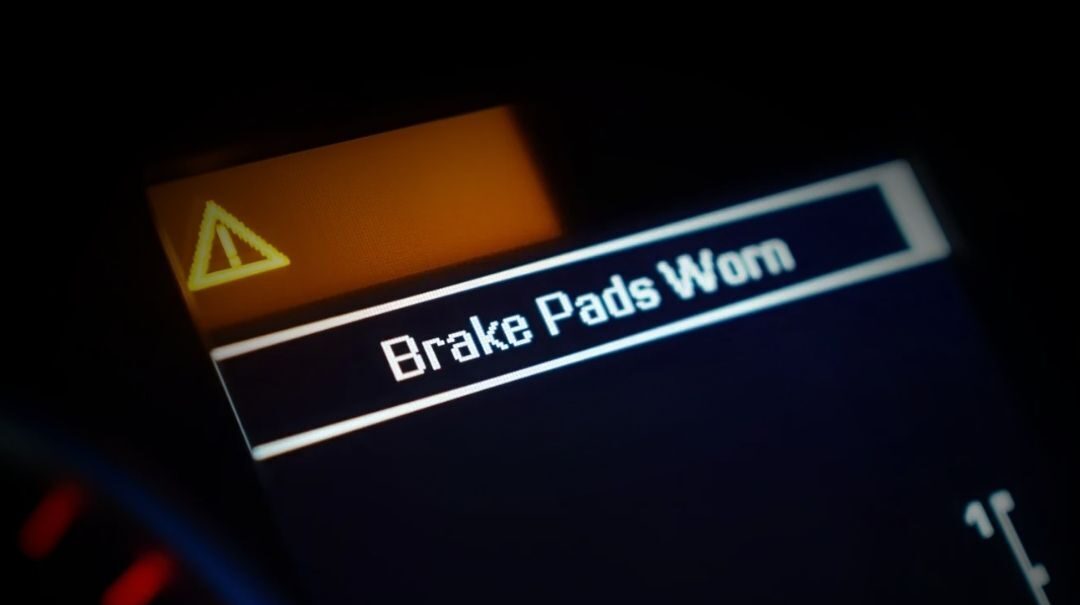
Many European vehicles use electronic brake wear sensors. These sensors are designed to alert the driver when brake pads are getting low. If the sensor is triggered, the warning light may stay on until the worn parts and sensor are replaced.
Common brake warning situations include:
- Brake pad wear warning
- Parking brake warning
- ABS warning
- Brake fluid warning
- Stability control warning
- Electronic parking brake fault
A brake warning light should not be ignored. Some warnings are related to worn brake pads, while others may involve fluid level, wheel speed sensors, ABS components, or electronic parking brake systems.
A proper diagnostic check helps confirm whether the issue is mechanical, electrical, or sensor-related.
Brake Fluid Matters
Brake fluid is easy to overlook, but it plays a major role in braking performance. Over time, brake fluid absorbs moisture. This can lower braking performance, affect pedal feel, and increase wear inside the system.
Old or contaminated brake fluid may cause:
- Soft brake pedal
- Reduced braking confidence
- Longer stopping distance
- Poor performance during repeated braking
- Corrosion inside brake components
- ABS or hydraulic system concerns
European vehicles, especially performance models, should have brake fluid checked regularly. If the vehicle is driven hard, used for mountain roads, or taken to performance driving events, brake fluid condition becomes even more important.
Performance Braking Systems
Some European vehicles come with larger brakes, sport brake packages, multi-piston calipers, drilled or slotted rotors, or performance pad compounds. These systems can offer excellent stopping power, but they also require the right inspection and parts.
Performance brake service may involve checking:
- Rotor surface condition
- Heat cracks or hot spots
- Pad compound suitability
- Caliper operation
- Brake fluid condition
- Wheel and tire setup
- Brake balance and vibration
- Track or spirited driving wear
Performance brakes may create more dust or occasional noise depending on the pad material. That does not always mean something is wrong, but grinding, heavy vibration, uneven wear, or reduced stopping confidence should be checked.
For Porsche, Mercedes-AMG, Audi S/RS, BMW M, Volkswagen Golf R/GTI, and other performance models, brake condition is directly connected to how the vehicle feels and performs.
Richmond Driving Conditions and Brake Wear
Brake wear is affected by how and where the vehicle is driven. In Richmond, Vancouver, Burnaby, Delta, and the Lower Mainland, daily driving often includes stop-and-go traffic, wet roads, short trips, bridges, highway driving, and city parking.
These conditions can contribute to:
- Faster pad wear
- Rotor rust or corrosion
- Brake noise after wet weather
- Uneven wear from short trips
- More frequent braking in traffic
- Parking brake issues
- Vibration from worn or uneven rotors
When to Book Brake Repair
You should book a brake inspection if you notice:
- Squealing or grinding brakes
- Brake warning light
- Vibration when braking
- Soft or low brake pedal
- Longer stopping distance
- Burning smell after braking
- Vehicle pulling when braking
- Clicking or clunking near the wheels
- Uneven brake pad wear
- Brake fluid warning
- Electronic parking brake issues

European Brake Repair FAQs
Common signs include squealing, grinding, vibration, brake warning lights, longer stopping distance, a soft brake pedal, or a burning smell after braking. If the vehicle feels different when stopping, it should be inspected.
Often, yes. Many European vehicles wear pads and rotors together, and rotors may be too thin or uneven to reuse safely. A proper inspection can confirm whether rotors can remain in service or should be replaced.
A brake warning light may be caused by worn brake pads, triggered brake wear sensors, low brake fluid, electronic parking brake faults, ABS issues, or sensor problems. A diagnostic check helps confirm the cause.
Brake vibration is often caused by uneven rotor surfaces, rotor runout, worn suspension parts, uneven pad deposits, or heat-related rotor issues. The vehicle should be inspected before replacing parts blindly.
Brake fluid should be checked regularly because it absorbs moisture over time. Service timing depends on the vehicle, driving style, and manufacturer recommendations, but old brake fluid can affect pedal feel and braking performance.
Yes. CG Eurosports provides European brake inspection and repair in Richmond, BC for many premium European vehicles, including brake pads, rotors, sensors, fluid, and performance braking systems.
Why Choose CG Eurosports for European Brake Repair
At CG Eurosports, brake service is not treated as a quick parts swap. Our process focuses on inspecting the full braking system and explaining what actually needs attention.
Our brake service approach includes:
- Clear inspection findings
- Proper diagnosis before repair
- Quality parts for European vehicles
- Pad, rotor, sensor, and fluid checks
- Attention to brake feel and safety
- Inspection of related systems
- Honest repair recommendations
- Clear explanation of findings
- Honest repair recommendations
European brake systems are designed to work as part of the full vehicle. The right repair helps maintain safety, performance, and the driving feel the vehicle was built to deliver.
💡Did you know? A thorough examination of a used car’s braking system is included in our European pre-purchase inspection.
Looking for European Brake Repair in Richmond, BC?
CG Eurosports provides European auto repair, diagnostics, maintenance, and brake service in Richmond, BC.
If your Porsche, Mercedes-Benz, Audi, BMW, Volkswagen, MINI, or European vehicle has brake noise, vibration, warning lights, worn pads, rotor concerns, or reduced stopping confidence, book a brake inspection before the issue becomes more serious.
Post Tags :
Share :